
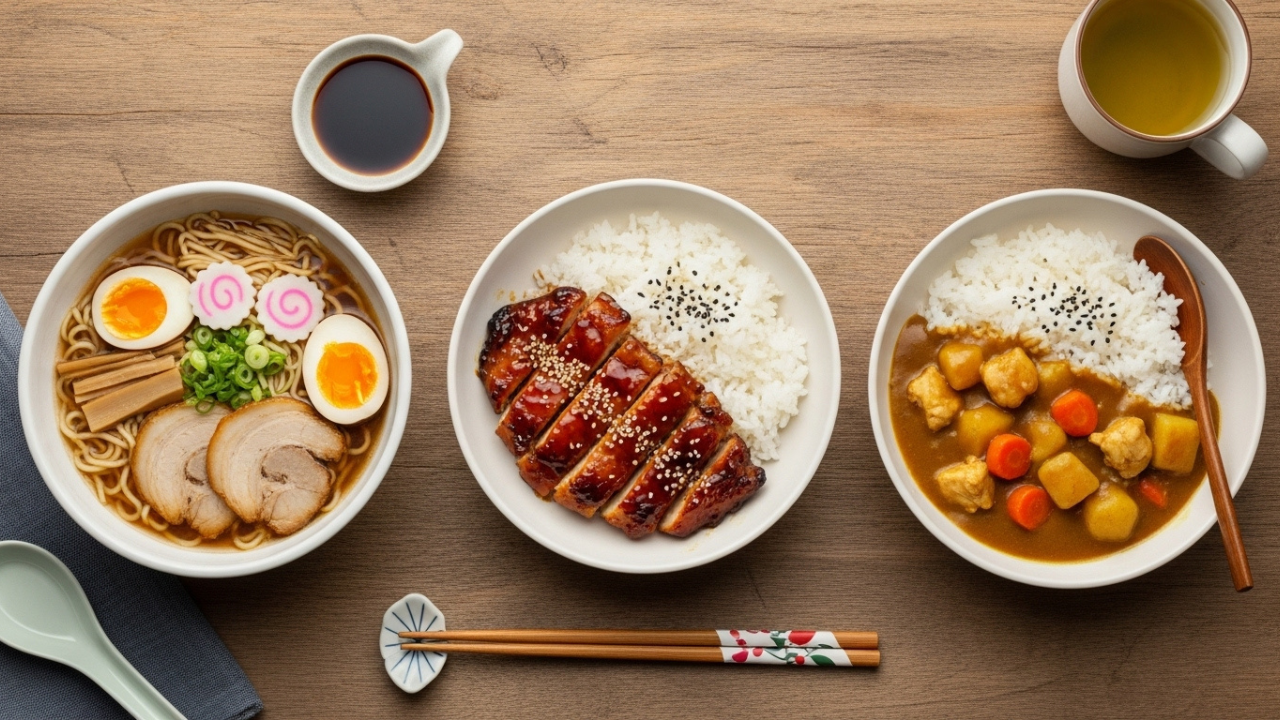
If you’ve ever had japanese recipe ideas, then you already know that it’s something special. It’s clean, comforting, tasty and balanced. Each bite has a story to tell — from the eight-hour, slow-simmered heartiness of a soy broth, down to the sweetness of newly-cooked rice. Japanese food is not about fancy toys and fancy tricks. It’s the simple things, made to shine.
In this article, I am going to introduce three iconic dishes from Japan that you can easily recreate at home – ramen, chicken teriyaki and Japanese curry rice. All three deliver a different brand of Japanese comfort to your kitchen, and each is made with everyday ingredients you can get just about anywhere.
Why You’ll Love These Japanese Dishes
Balance is integral to Japanese cooking — between flavor, texture and nutrition. These three recipes achieve that balance beautifully.
Here’s why they’re worth making:
- Comfort food with personality: each dish heats you up from the inside, out.
- Real but easy: Old-fashioned flavors without fussy techniques.
- Good for high and low moods: Whether you want rich, cozy or light.
- Heathy balance: Protein, fiber and umami.
After you cook these once, you’ll want them again and again.
Also Read: https://recipeofnana.com/keto-philly-cheesesteak-rolls-so-tasty-easy-to-make/
Key Japanese Pantry Essentials to Keep in Your Cupboards
Before we make our first dish, you need these basics for most japanese recipe ideas. They’re easy and they count.
- Soy Sauce: Adds depth and saltiness.
- Miso Paste: Gives soups and marinades an earthy umami flavor.
- Mirin: A types sweet rice wine for glazing.
- Dashi: A delicate broth, the foundation of many dishes.
- Rice Vinegar: For some acid and tang.
- Sesame Oil: Provides a nutty scent to stir-fries and sauces.
- Short-Grain Rice: The center of Japanese cuisine.
With these essentials in your kitchen, you can prepare just about any Japanese dish you’d care to eat.
Dish 1: Japanese Ramen – The Comfort in A Bowl

If there is a dish that represents Japanese comfort food, it has to be Ramen. It’s warm, it’s rich, it’s deeply satisfying. With your own choice of meat, this noodle soup is king of the bowl.
A brief shopping list
Ramen noodles, chicken or vegetable broth, soy sauce, garlic, ginger, green onions (also known as scallions), a soft-boiled egg and then a protein — sliced pork or chicken is your common addition.
How to Make It
Begin with a pot that you can heat some oil in. Fry chopped garlic and grated ginger until fragrant. Pour in your chicken broth or vegetable stock, some soy sauce and a splash of mirin, and let it simmer. As it cooks, cook your ramen according to package instructions.
When you’re ready to serve, ladle the hot broth over them into a deep bowl. Top with slices of pork or chicken, half a soft-boiled egg, some green onions and perhaps a drizzle of sesame oil.
That’s it — your aromatic, cozy bowl of ramen is ready to be served.
Why It’s So Loved
Ramen isn’t just food — it’s an experience. Every region of Japan has its own — from miso ramen in Hokkaido to tonkotsu (pork bone broth) in Kyushu. You can top it a million ways with your favorite add-ons and it always lands right at the sweet spot between savory and comforting.
Dish 2: Teriyaki Chicken – Sweet, Savory and Seductive

Next is Chicken Teriyaki, one of Japan’s best known dishes. It’s easy to prepare, full of taste and wonderful served with a bowl of steamed rice.
Other Ingredients You’ll Need
Boneless chicken thighs or breasts, soy sauce, mirin, sugar, garlic and ginger.
How to Make It
Begin by combining your teriyaki sauce — same part soy and mirin, with a spoonful of sugar and some grated ginger. At the end of this time, heat a frying pan and slick with a little oil, then sear your pieces of chicken on both sides until golden.
When it’s cooked, transfer the sauce to the pan and let it bubble away. As it reduces, it becomes a shiny glaze that hugs the chicken. The aroma is absolutely mouthwatering.
Serve the teriyaki chicken over steamed fluffy white rice and spoon any excess sauce from the skillet over it. To give it an extra pop, sprinkle with sesame seeds or green onions.
Why It’s So Loved
The balance of flavors is what makes teriyaki special for me — sweet versus salty and that deep umami richness. It’s one of those dishes that seems as if you’ve slaved away for hours to prepare it, but in reality it takes under 30 minutes from start to finish.
It’s also infinitely flexible: Flip the protein out for salmon, tofu or beef and it will still taste terrific.
Dish 3: Japanese Curry Rice – Warming and Tasty
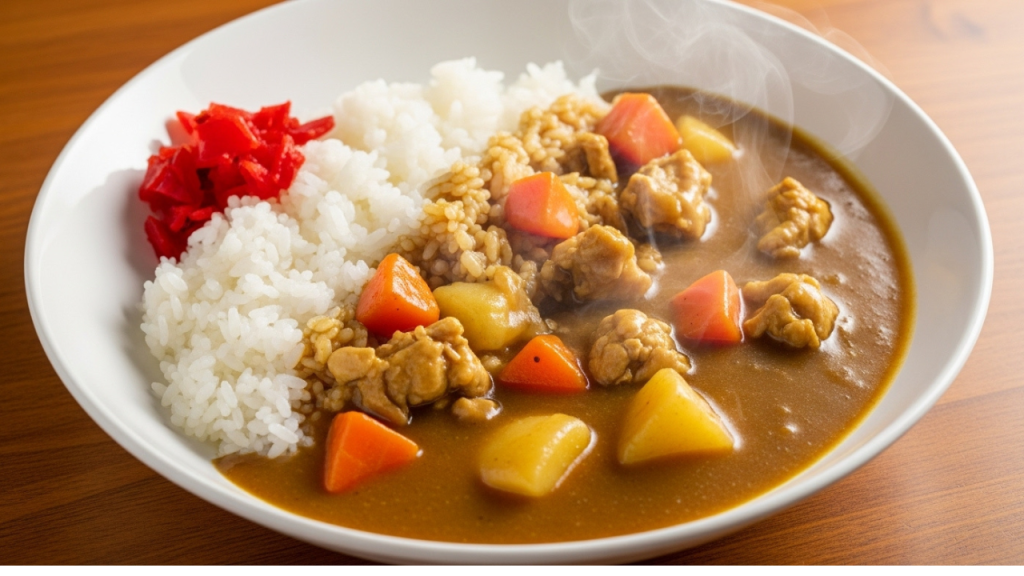
Japanese Curry Rice (or Kare Raisu) is one of the most popular home style dishes in Japan. It’s hearty, pleasantly spicy and just about the most comforting one-plate meal for any day of the week.
Here’s what you’ll need
Chicken or beef cubes, onions, carrots, potatoes, curry roux (or powder), soy sauce and rice.
How to Make It
Warm oil in a large pot and cook onions until soft and golden brown. Toss in your cubed meat, carrots and potatoes. After everything’s browned, add enough water to cover the meat and bring it to a simmer.
Add the Japanese curry roux (it’s sold in blocks at most stores) and stir until it dissolves. Allow the curry to simmer until you get a thick coating of the sauce on the veggies and the veggies cook perfectly. Serve over freshly cooked rice.
The rich aroma and the glossy sheen make it appear as good as it tastes — substantial, flavorful, balanced.
Why It’s So Loved
Not as pow! wow! as Indian or Thai curries, Japanese curry is thicker and milder than both of those, like a stew. It’s sweet and savory — pure comfort food. Because it’s cheap and hearty, and because it actually gets better the next day, families all across Japan make some version of this dish on a regular basis.
Tips for Cooking Japanese Food at Home
As soon as you start cooking Japanese food, you begin to realize how everything matters. Here’s some of the things I’ve learned that help a lot:
- Get the best ingredients: Japanese cooking is all about natural taste.
- Don’t oversalt: There’s such a thing as balance, between saltiness, sweetness and umami.
- Learn to cook rice properly: It’s the base of a lot of Japanese meals.
- Presentation counts: If nothing else, keep dishes clean and bright.
- Be mindful: Japanese cooking is peaceful and deliberate — relish the process.
Storage and Reheating Tips
Japanese food is another great cuisine for meal prep. How to store your dishes:
- Ramen: Keep broth and noodles apart. Reheat the broth and pour over fresh noodles just before serving.
- Teriyaki Chicken: Can be stored in the fridge for up to 3 days. You can reheat in a skillet to prevent dryness.
- Curry Rice: Can sit in fridge for 4 days. Reheat slowly to maintain texture.
Macros Per Serving – Average
| Nutrient | Amount | % Daily Value* |
|---|---|---|
| Calories | 420 kcal | 21% |
| Protein | 32 g | 64% |
| Total Fat | 18 g | 28% |
| Saturated Fat | 6 g | 30% |
| Carbohydrates | 35 g | 11% |
| Dietary Fiber | 4 g | 16% |
| Sugars | 6 g | – |
| Sodium | 650 mg | 27% |
Conclusion
A Japanese meal is more than just food, it is a carefully balanced composition. And each of these Ramen and Chicken Teriyaki, Japanese Curry Rice dishes embodies something beautiful about Japanese cooking. They’re comforting and fulfilling, honest and delicious.
Because you don’t need special tools or a flight to Tokyo, that’s why. All it takes is a few basic, everyday ingredients, some time and the courage to give it a shot. Until you do, your kitchen will smell amazing, and you will know why Japanese food is adored around the world.