
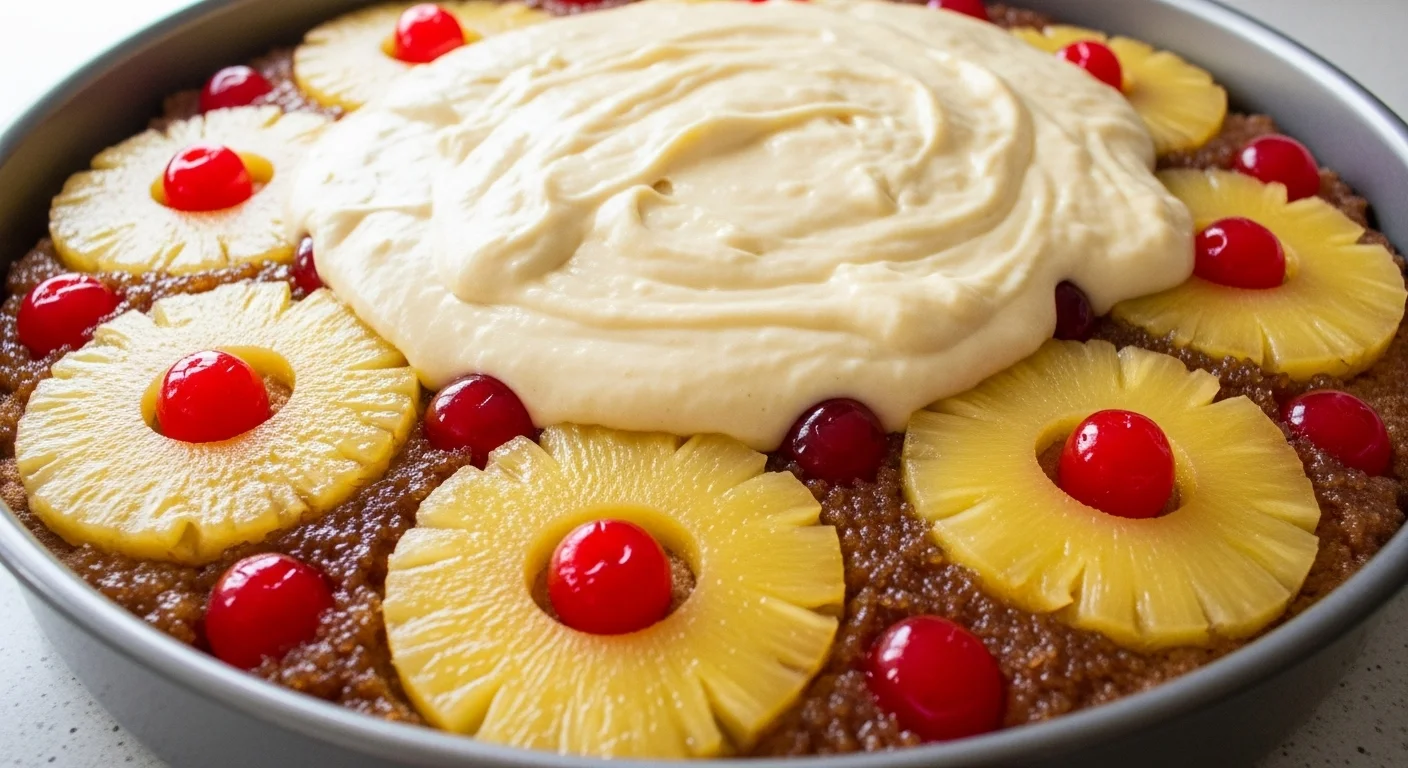
pineapple upside down cake recipe is a dessert that brings joy to every occasion. Its rich, caramelized top with juicy pineapple slices makes it both visually stunning and irresistibly tasty. This cake has a long-standing history and is loved in many households for its unique preparation method: the cake is baked with the fruit on the bottom, and once it’s done, it is flipped to reveal a golden, glossy pineapple layer on top. Whether you are baking for family, friends, or just treating yourself, this cake combines sweetness, tanginess, and a soft, moist texture that makes it unforgettable. In this article, we will guide you step by step to make this classic dessert at home, along with tips, variations, and nutritional information.
History and Background
Upside-down cakes have been around for centuries. The concept of baking a cake “upside-down” actually comes from a simpler method of cooking fruit in a pan, which later evolved into cakes. In the early 20th century, pineapple upside-down cake gained popularity in the United States, mainly due to the availability of canned pineapple. The sweet and tangy flavor of pineapple paired with brown sugar and butter created a caramelized top that delighted many. Over time, this cake became a staple for celebrations, Sunday dinners, and holidays. Today, variations include adding cherries, nuts, coconut, or even rum for an extra flavor punch.
Ingredients You Will Need
Making pineapple upside-down cake requires simple ingredients that you might already have at home. We will break them down into two categories: the topping and the cake batter.
Topping Ingredients:
- 1/4 cup (60 g) unsalted butter
- 1/2 cup (100 g) brown sugar
- 7–8 pineapple slices (canned or fresh)
- 7–8 maraschino cherries (optional)
Cake Batter Ingredients:
- 1 1/2 cups (190 g) all-purpose flour
- 1 cup (200 g) granulated sugar
- 1/2 cup (115 g) unsalted butter, softened
- 2 large eggs
- 1/2 cup (120 ml) milk or pineapple juice
- 1 tsp vanilla extract
- 1 1/2 tsp baking powder
- 1/4 tsp salt
- 1/2 cup (120 g) sour cream or yogurt (optional, for extra moistness)
These ingredients combine to create a cake that is soft, moist, and full of tropical flavor. You can also add nuts, coconut, or rum for a unique twist.
Equipment Needed
Before starting, make sure you have the right tools:
- 9-inch round or deep baking pan
- Mixing bowls
- Electric mixer or whisk
- Spatula
- Knife
- Serving plate to invert the cake
Having these ready will make the baking process smooth and enjoyable.
Step-by-Step Method
Step 1: Preheat the Oven
Start by preheating your oven to 350°F (175°C). This ensures that the cake bakes evenly and develops a nice golden crust.
Step 2: Prepare the Topping
In a small saucepan, melt 1/4 cup of butter over low heat. Stir in 1/2 cup brown sugar until it dissolves and forms a smooth mixture. Pour this caramelized mixture evenly into the bottom of your baking pan. Carefully arrange the pineapple slices on top of the sugar mixture. If you like, place a cherry in the center of each pineapple ring for a classic look.
Step 3: Prepare the Cake Batter
In a mixing bowl, cream 1/2 cup softened butter with 1 cup sugar until light and fluffy. Add eggs one at a time, mixing well after each addition. Stir in vanilla extract. In a separate bowl, whisk together flour, baking powder, and salt. Gradually add the dry ingredients to the wet mixture, alternating with milk or pineapple juice. If you are using sour cream or yogurt, fold it in gently. This batter should be smooth, creamy, and slightly thick.
Step 4: Assemble the Cake
Pour the batter carefully over the pineapple and sugar in the pan. Smooth the top with a spatula to ensure even baking. Do not stir, as this will disturb the pineapple arrangement.
Step 5: Bake
Place the cake in the preheated oven and bake for 40–45 minutes. You can check doneness by inserting a toothpick into the center; it should come out clean. The edges should be golden brown, and the cake should start pulling away from the sides of the pan.
Step 6: Cool and Invert
Allow the cake to cool in the pan for 5–10 minutes. Run a knife around the edges to loosen it. Place a serving plate on top and carefully invert the pan. The caramelized pineapple should now be on top, glossy and golden. If any pineapple sticks to the pan, gently place it back on the cake.

Tips and Variations
- Use a Well-Greased Pan: Butter the sides of the pan well to prevent sticking.
- Extra Flavor: Add a teaspoon of rum or rum extract to the batter.
- Nuts: Sprinkle chopped pecans or walnuts on top of the sugar mixture before adding pineapple.
- Fresh Pineapple: If using fresh pineapple, slightly caramelize the slices in butter and sugar first.
- Storage: Store leftovers in an airtight container in the refrigerator for up to 4 days.
These simple tips ensure your cake comes out perfect every time.
Serving Suggestions
Pineapple upside-down cake is best served warm, as the caramel topping is soft and glossy. You can add a scoop of vanilla ice cream or a dollop of whipped cream for extra indulgence. Toasted coconut or chopped nuts make a beautiful garnish and add texture. This cake is perfect for celebrations, brunch, or just a cozy dessert after dinner.
Nutrition Information
Here’s an approximate nutrition breakdown per serving (1/12 of the cake):
| Nutrient | Amount |
|---|---|
| Calories | 390 kcal |
| Carbohydrates | 56 g |
| Protein | 4 g |
| Fat | 16 g |
| Saturated Fat | 9 g |
| Cholesterol | 65 mg |
| Sodium | 180 mg |
| Fiber | 1 g |
| Sugar | 38 g |
This table gives an estimate; actual values may vary depending on ingredients and portion size.
Conclusion
Pineapple upside-down cake is a timeless dessert that never fails to impress. Its combination of caramelized sweetness, juicy pineapple, and soft cake makes it perfect for any occasion. The recipe is simple, versatile, and can be customized with your favorite flavors and toppings. By following the steps above, you can create a delicious cake that looks as good as it tastes. Baking this classic dessert at home allows you to enjoy a touch of nostalgia and a tropical twist, all in one bite.


