
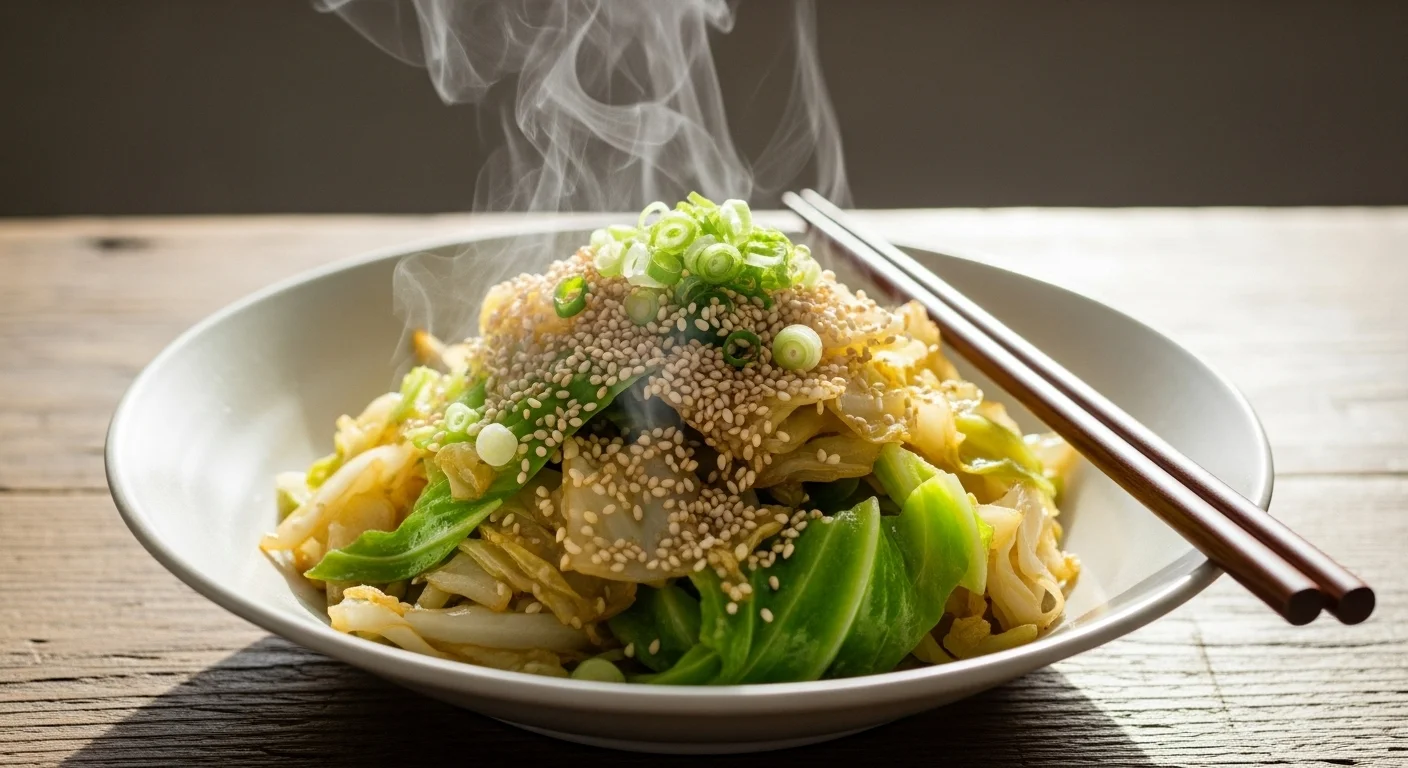
Recipe for Cabbage – Easy, Delicious, and Healthy is versatile, full of nutrients, and reasonable. In the processing, it can be turned into many different shapes and forms. Cabbage can lend itself equally well to a plain stir-fry or hearty versions that are braised for a long time. It is this very malleability that makes it greatly popular among all kinds of home chefs, citizen diners who are seeking out quick and healthy fare. Its mild taste and enjoyable texture are favored amongst home chefs who are looking for healthy food fast. This cabbage recipe is supposed to be easy, delicious, satisfying – it’s suitable at any time of day: for lunch, dinner, or just served as one of several dishes at a family gathering.
Cabbage is a wonderful choice regardless of whether the cook is preparing it for themselves, his family, or even company. Its natural sweetness and the proper seasonings can turn a run of the mill vegetable into the star dish of your meal. This recipe uses easy-to-find ingredients that you probably already have in your kitchen. This Recipe for Cabbage – Easy, Delicious, and Healthy to eat.
Why You’ll Love This Cabbage Recipe
Cabbage is not just a vegetable; it is a source of taste, nutrition, and cooking performance. First, it is fast to cook. On busy days in only 20-30 minutes time you can have a fragrant, mouth-watering dish of cabbage ready to eat. Second, all-inclusive. You can add your favorite spices, proteins like chicken or tofu, even other vegetables to the flavor and texture of your cabbage.
The way cabbage feels is another thing that makes this recipe a pleasure to eat. When finally cooked it comes out still a little crunchy, and with caramelizing edges for that extra flavor. A touch of garlic, onions or soy sauce can make it taste wonderful. In every mouthful you can enjoy touches of sweetness, earthiness and a salty savor.
To make cabbage is also very economical. There are many ways to do it, just as clever chefs will work with what they have left at home; it can serve as a dish in itself or as a side dish, and won’t go off quickly. For everyday dining, buckwheat is a staple. Or throw together a few ingredients, boil it, shape it, and pour some chicken soup over it. Table scene is wonderful. It’s a dish like no other whether sauce-like with a beach of shiny plate-licking sauce to mop up with flatbreads or crunchy at home served off plates and sunflowers stacked. One other point to note is that cabbage becomes really fragrant when sauteed or stir-fried. When you cook it, the natural flavor is a bit like the expected summer rain that one wants and needs. The fragrance of sautéed or stir-fried cabbage is just as much a part of your kitchen as the pot on the stove, so that with any luck it fills your room with a stream that seems both comfortable and simple. This cabbage recipe yields 4 servings. You may adjust the amount for your family as needed.
Also Read: https://recipeofnana.com/how-to-make-fried-rice-quick-easy-and-delicious/
Main Ingredients

- 1 medium cabbage, sliced or chopped
- 2 tablespoons vegetable oil (canola, sunflower, or olive oil)
- 1 medium onion, chopped
- 3 garlic cloves, minced
- 1 medium carrot, thinly sliced or julienned
- ½ cup green pepper, sliced into rings (optional)
- 2–3 tablespoons soy sauce or tamari
- Salt and black pepper, to taste
Optional Additions
- 1 cup cooked chicken, shrimp or tofu
- 1 teaspoon sesame oil
- 1–2 teaspoons chili sauce or paprika for spice
- Fresh herbs like parsley or cilantro for garnish
- Toasted sesame seeds for crunch
Shred 10 or so cabbage leaves. (In theory you could use any type of green here, but understand that isn’t authentic Teochew cuisine.) Then thinly slice the rest of the head roughly.
Instructions
1. Wash and Cut the Cabbage
First wash the cabbage very thoroughly to remove any dirt and impurities. Then cut it into thin strips or bite-sized pieces. Shredded cabbage is best for stir-fry styles, while bigger, chunky pieces are good for braised versions so try to shred the cabbage into uniform pieces. This small step can make a big difference; it is essential in creating the perfect mouth-feel.
2. Prepare the Ingredients
At this stage, prepare all the ingredients as required by the recipe. I suggest that students do research online to find out how to make their own dumplings and then take this traditional method as a start.
3. Heat the Pan and Cook Aromatics
Place a large skillet or wok over medium-high heat. Pour in the vegetable oil and warm it briefly. After frying for 2-3 minutes, the onions should turn a soft clear color. Add the minced garlic and cook for another 30 to 60 seconds, stirring constantly so that its aroma is released without burning. The flavor of the garlic and onions will permeate the oil and be distributed throughout the stir-fry. In this way, none of the bites will be dull.
4. Add the Vegetables
In goes the shredded cabbage, followed by the carrots and bell peppers. Stir often as the vegetables cook—even if they are only a little bit behind schedule. Vegetables should be a bit crisp when they meet your knife and a bit vibrant in color. Overcooked cabbage becomes limp and loses its flavor, so stay attentive and cook just till slightly tender.
Lid the pan for a few minutes if you desire a slightly sweeter taste, so that the cabbage can steam. This steaming will soften the vegetables and retain their natural nutrients. Of course, the combination of sautéing and steaming also allows the cabbage to express a balance between both flavors and textures.

5. Include Protein (Optional)
Chicken, shrimp, or tofu can also be added at this point. Pre-cooked protein works best, as it will warm up more evenly. Be sure to stir very well to spread the flavor mix over each piece. Adding protein also converts this dish from a simple side to a full meal, good for either lunch or dinner.
6. Season and Flavor
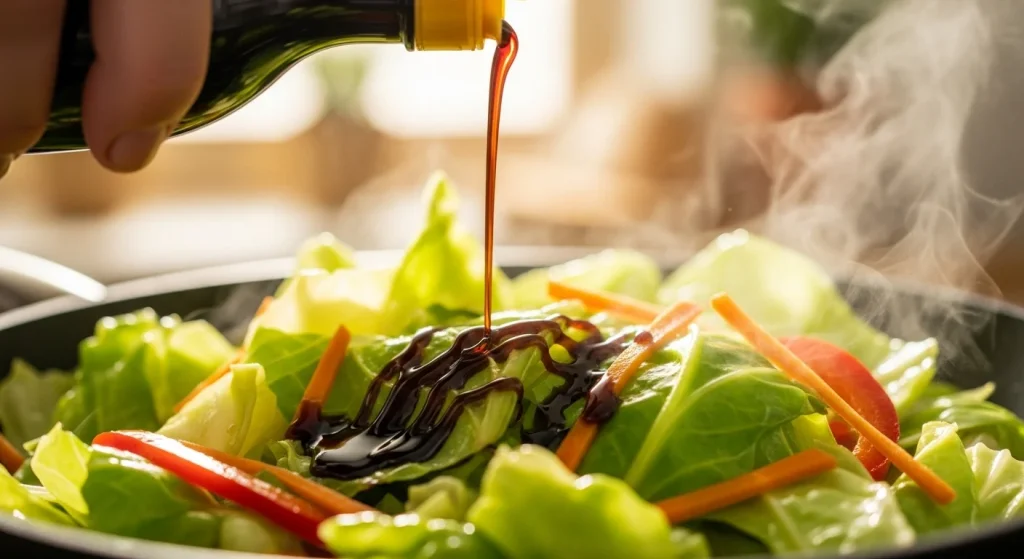
Drizzle soy sauce or tamari over the vegetables, sprinkle with black pepper and salt, and optionally add sesame oil or chili sauce. Stir through so that all flavors blend well together. Sample and adjust flavors according to your own taste.
The key to a balanced dish is a harmony between sweetness, the salty nooks and crannies that give it body, and spice on top for punctuation. Proper seasoning will lift this cabbage dish out of the ordinary and into the starry heights of enjoyment.
7. Flexibility and Serve
When the cabbage is cooked until slightly tender and still firm, remove from heat. Add some fresh herbs, sesame seeds, and stir well with toasty flavors or aromas. Serve while still hot and really fresh. This dish is also great combined with noodles, or even simply as part of a grilled meal of meat and tofu.

How to Make Cabbage Taste Great
For hundreds of years, cabbage has been a staple of everyday Chinese cuisine.
Tips for Perfect Cabbage
- Avoid overcooking in order to preserve nutrients and texture.
- Use a hot pan, and stir frequently if you want your cabbage to be evenly cooked all the way through.
- Choose your favorite protein, herbs, or sauces and make your cabbage unique.
- A dash of honey or a squeeze of lemon juice adds sweetness for extra flavor.
- Don’t crowd the pan. If necessary, cook this dish in batches so as not to steam it instead of sautéing it.
Serving Suggestions
Cabbage is highly versatile and goes well with:
- Steamed rice or noodles
- Stir-fried vegetables or spring rolls
- Grilled or roasted meat as a complete meal
- Light soups served together
This basic recipe is perfect for festive dinners, casual weekends, or even a nutritious lunchbox meal.
Common Mistakes to Avoid
- Overcooking cabbage, making it limp and less delicious.
- Using too much soy sauce or seasonings prematurely, which can drown out the natural flavor.
- Chopping cabbage unevenly, resulting in inconsistent cooking.
- Failing to stir frequently enough during cooking, which can cause burning or uneven browning.
- Not tasting as you cook; adjust seasoning at the end for perfect flavor.
Conclusion
This simple, healthy cabbage recipe is full of flavor. It turns everyday food into something satisfying for body and senses alike, whether served as a main or side dish. Following these detailed steps will allow you to consistently enjoy tender cabbage full of flavor and with just the right texture every time.
Garlic and onion combine with cabbage’s natural sweetness to create a dish that is both comforting and versatile. Add proteins, sauces, or spices as you wish to make this recipe uniquely yours. This dish proves that even simple, everyday ingredients can create an elegant, tasty, and sustaining meal for your family or guests.