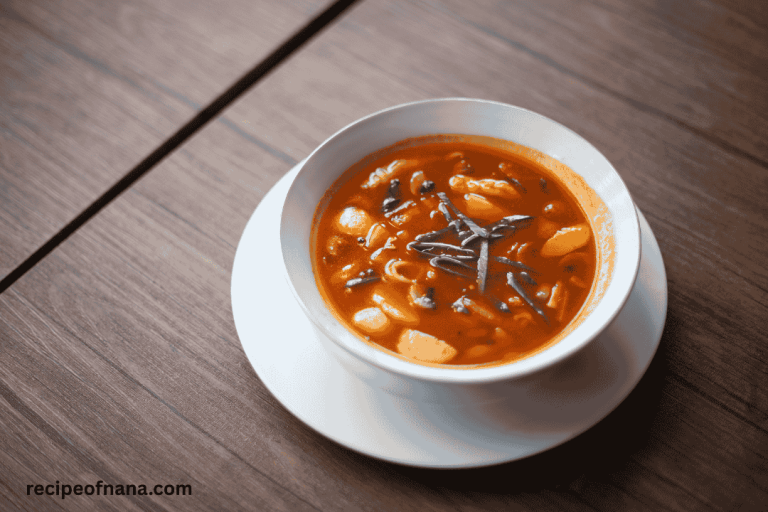

Street food in South Asian countries is incomplete without trying chat, regardless of whether that comes from chutney on top or inside a question mark! This spicy, tangy, sour and sweet mouthful is really versatile with a slightly chewy texture served in one of those leaf bowl things you see everywhere these days & then sprinkled throughout sandwiched layers for added textural variety.
The great thing about chat is it’s not just one sauce—its whole array made out no base but rather derived from canned chickpeas or any other legume cream matching it with more refreshing make tasty ideas such as chutneys, yoghurt and special spices.
Every bite of Chaat Recipe rewards you with an explosion of complex taste and texture. From busy market streets and product-laden vendor carts to quiet kitchens, chat actually holds a special place in food culture. In this article you will find a complete guide to chat, including what is meant by the term ‘chat’ as well as why people love it so much; how do I cook chat dishes at home; and last but not least its nutrition value itself.
What Is Chat?
Chat is a savory snack that typically includes boiled chick peas or chickpeas, potatoes, fresh vegetables whole pieces of uncooked chutney (“saunth”), yoghurt and (usually whole pieces of chutney) “crunchy” toppings. The word “chat” comes from Hindi “chaatna” which means “to lick.”.
This clearly indicates how flavorsome and mouthwatering these dishes are. Chat has a complex layering of flavors and unique taste. From chilies: the heat; lemons and tamarind: that sourness; yogurt creamy stickiness; through to sev or papri spluttery crisps underfoot there is this perfect balance in chat which makes it different from other snacks altogether.
Chat can be eaten as a snack on the streets of South Asia as well an early evening hors d’oeuvre in North America or a light meal late in India. And like sushi — well so the boys from Otaru tell us anyway—maximal use is made of ‘ingredients’. Chat must-that’s only in the beginning. No-one can tell you what spices are currently fashionable through their taste alone
One of the great things about chat is that you can easily mix and match the various elements to suit your own taste. You can adjust the spiciness, add more sweetness or change toppings however liked.
The Beauty of the Chaat is Homemade
While pet stall chaat to taste still will be the best, but homemade chaat has its good points, as well. children can come into the kitchen and help me beat eggs? During your cooking at home, you get more subtle in Choos may. What most often happe ns when Tablespoon after neu tablespoon of more ing dined is added aside?
They can use fresh vegetables, clean water, and quality spices to ensure food safety. If you want a healthier version you can also reduce oil content, salt content and spicy ingredients. Homemade chaat is more secure, hygienic and so may be not so heavy on the stomach.
A third advantage of homemade chaat is you can experiment with flavors. You can add fruits, try different chutneys, or even transform it into a main course by adding other ingredients such as boiled eggs, grilledchicken or whatever else takes your fancy. When you make chaat at home, it is also most cost-effective and happy, especially with family.
Main Ingredients Used to Make Chaat
Chaat’s beauty lies in its simple ingredients bring forth rich taste. Boiled chickpeas are the most common and vanilla plant source of chaat, offering high protein, soft textureother Boiled potatoes add some softness and mild sweetness to the mix. Fresh vegetables such as onions, tomatoes or maybe even cucumbrers provide crunch, juice and flavor, to counter the sweet-tends.
Vegetable chutneys are a very important aspect of the chaat. Green chutney is made from mint and coriander, providing fresh taste with a hint of heat. Tamarind chutney gives sour and sweet tastes, and yogurt is also added for a smooth texture that hinders the strong flavors. Spices serve to bring together all the other parts of the suite-if energy, help tinto harmony their different tones. Chaat Masala is the king amongst these tast e enhancers, its specialflavour being the hallmark of all classic chaats Red chili powder brings heat, roasted cumin adds scent, and salt provides (as a four-letter man might say) ‘easing’. Sev, papri, o r crushed pieces of cracker-or else’s wolved potato (potato) are all added one at a time to the famous Chaat crunch.

Step-by-Step Method to Make Classic Chana Chaat
1. Preparation
Here’s a step by step guide on how to make classic chana chaat.
To make a classic chana chaat at home, you first need to prepare all your ingredients.
For chickpeas that have been dried, soak them in water overnight, then boil them until soft.
You can also use canned chickpeas after a good wash. Boil the potatoes separately until tender and then cut into small cubes.
Chop finely onions, tomatoes, green chillies and fresh coriander.
2. Mixing
In a large mixing bowl combine the boiled chick peas together with potato. Drop in chopped onion, tomato and green chillies.
Mix everything gently so that the potatoes do not become broken.
Now add salt, red chilli powder, roasted cumin powder and a good pinch of chaat masala.
Mix again so that all ingredients are evenly coated by the spices.
3. Final Touch
Next add fresh lemon juice for tanginess. Then mix in green chutney and tamarind chutney to suit your taste.
If you like a creamy texture, add whisked yoghurt at this stage too.
Mix everything slowly because it is important to keep balancing the texture.
Check the chaat to see if you need more salt, spice or sweetness.
Finally, just before serving add some crunch on top such as sev or crushed papri. And garnish with fresh coriander leaves and a little more chat masala.
Serve the cooked dish as soon as possible if you want to get the best taste and texture.

The Perfect Combination of Flavors in Chaat
The secret to what makes chaat so special is its perfect combination of flavors. It’s not entirely spicy, nor only tangy. It’s a harmonious interplay between different components of taste. The sweet taste of tamarind chutney contrasts heat from chillies. Lemons and yoghurt are sour enough to cut through their own richness. Fresh vegetables provide coolness; indeed the fried stuffs on top give a Zagrebitas style.
Every ingredient plays a distinct role in this complex mosaic. The chaat no longer tastes complete when one any of these elements is lost. When people of all ages flock to the little road-side food stall for chaat, it’s because this harmony. Our half-American friend Julie enjoys Western snacks and often gets together with her female friends from Beijing to feast. At their cost they indulge in ladies’impression of China sea action coupled with the cuisine from Tan cuisine. That is an amazing thing!
Popular Variations of Chaat
Chaat comes in many delicious forms. One of the most famous variations is Aloo Chaat, which is made mainly with fried or boiled potatoes, spices, and chutneys. Dahi Chaat includes lots of yogurt and is creamy and cooling. Fruit Chaat is a lighter version made with fresh fruits, lemon, chaat masala, and sometimes a little sugar.
Papri Chaat is made with crispy papri, boiled potatoes, chickpeas, yogurt, and chutneys layered on top. Samosa Chaat is another popular type where crushed samosas are topped with chickpeas, yogurt, and chutneys. Each variation has its own taste and texture, but all share the same chaat spirit of bold, mixed flavors.
When and How Chaat Is Served
Chaat is usually served as a snack, but many people also eat it as a light meal. It is very popular in the evening, especially with tea. During Ramadan, chaat is a favorite item on iftar tables because it is filling and refreshing. At parties and family gatherings, chaat is often set up as a live counter where guests can customize their bowls.
Chaat is best served fresh because the crunchy ingredients become soft over time. For this reason, chutneys and crunchy toppings are usually added at the last moment. Chaat is often served in small bowls or paper plates with a spoon and sometimes with extra lemon on the side.
Health Benefits of Chaat
Chaat is not only tasty but can also be healthy if made with care. Chickpeas are rich in protein and fiber, which help keep you full and support digestion. Potatoes provide energy and important minerals like potassium. Fresh vegetables add vitamins and antioxidants. Yogurt adds calcium and probiotics, which support gut health.
However, chaat can become unhealthy if too much fried topping, excess sugar, or very spicy ingredients are used. The healthiest chaat is one that uses boiled ingredients, fresh vegetables, homemade chutneys, and limited fried items. When prepared in a balanced way, chaat can be a nutritious and satisfying snack.
Tips for Making Perfect Chaat at Home
Always use fresh and properly boiled chickpeas and potatoes. Overcooked potatoes will break and make the chaat mushy. Chop vegetables finely for better mixing and taste. Add chutneys slowly and taste as you go so the chaat does not become too sweet or too sour.
Make sure to add crunchy toppings only at the time of serving. If added too early, they will become soft. Use chilled yogurt if you want a refreshing taste. If you are serving chaat to guests, keep all ingredients ready in separate bowls and mix just before serving for the best results.
Why Chaat Is Loved Worldwide
Chaat has crossed borders and is now loved in many parts of the world. People enjoy it because it is quick to make, full of flavor, and easy to customize. It brings excitement to simple ingredients and turns them into something special. Chaat also represents street food culture, where people gather, eat, talk, and enjoy life.
For many people, chaat is also connected to childhood memories, evening walks, and family time. This emotional connection makes chaat more than just food. It becomes an experience.
Conclusion
Chaat is a true celebration of flavors, textures, and culture. It is spicy, tangy, sweet, creamy, and crunchy all at the same time. From simple chana chaat to rich dahi and papri versions, chaat offers endless possibilities. Making chaat at home is easy, safe, and rewarding. You can adjust everything according to your taste and enjoy a fresh, healthy snack anytime.
Whether you eat chaat as a quick evening snack, serve it to guests, or enjoy it at iftar, it never fails to impress. With its powerful taste, simple ingredients, and rich tradition, chaat truly deserves its place as one of the most loved snacks in South Asian cuisine.