Tortillas are a staple in Mexican cuisine and have become popular all over the world. These soft, round flatbreads are versatile and can be used in tacos, burritos, quesadillas, and even as a snack on their own. Making tortillas at home is simple and rewarding.
Tortilla Recipe Homemade tortillas taste fresher and have a better texture than store-bought ones. With just a few basic ingredients and some patience, you can create soft, pliable tortillas that are perfect for any meal. In this article, we will guide you through the types of tortillas, the ingredients needed, step-by-step instructions, and nutritional information.
Types of Tortillas Tortilla Recipe
Tortillas come in different types, each with its unique taste and texture. The two most common types are corn tortillas and flour tortillas.
Corn tortillas are made from masa harina, a special corn flour treated with lime. They have a slightly earthy flavor and are naturally gluten-free. Corn tortillas are traditionally used in tacos, enchiladas, and tostadas.
Flour tortillas are made from wheat flour, water, fat (such as oil or lard), and salt. They are soft, flexible, and slightly chewy, making them ideal for burritos and quesadillas. Flour tortillas are also easier to roll without breaking.
There are also specialty tortillas, such as whole wheat tortillas, ancient grain tortillas (made with quinoa or kamut), and nopal tortillas (made with cactus powder). Each type adds a different flavor and nutritional profile to your meal.
Ingredients for Homemade Tortillas

Making tortillas at home requires simple ingredients that are easily available. Here’s what you will need for each type:
Corn Tortilla Ingredients:
- 2 cups masa harina
- 1 1/4 cups warm water
- 1/4 teaspoon salt
Flour Tortilla Ingredients:
- 2 cups all-purpose wheat flour
- 1/2 teaspoon salt
- 1/4 cup vegetable oil or melted lard
- 3/4 cup warm water
Optional additions include whole wheat flour for a healthier version or spices like garlic powder for extra flavor.
Step-by-Step Method to Make Tortillas
1. Preparing the Dough
Start by mixing the dry ingredients in a bowl. For corn tortillas, combine masa harina and salt. Gradually add warm water and mix until a dough forms. For flour tortillas, combine flour and salt, then add oil and water. Knead the dough for a few minutes until it becomes soft and smooth.
2. Let the Dough Rest
Cover the dough with a damp cloth and let it rest for 20–30 minutes. Resting allows the flour or masa to absorb water fully, making the tortillas more pliable and easier to roll out.
3. Rolling or Pressing the Dough
Divide the dough into small balls, roughly the size of a golf ball. For corn tortillas, you can use a tortilla press, placing the dough ball between parchment paper. For flour tortillas, roll each ball with a rolling pin into a thin, round shape. Aim for a uniform thickness of about 1/8 inch.
4. Cooking the Tortillas
Heat a dry skillet or griddle over medium-high heat. Place the rolled tortilla on the hot surface. Cook for about 1–2 minutes on each side or until you see golden brown spots and the tortilla starts to puff slightly. Adjust the heat as needed to avoid burning.
5. Storing the Tortillas

Keep cooked tortillas warm by stacking them and covering with a clean cloth. You can store extra tortillas in an airtight container at room temperature for 1–2 days or in the refrigerator for up to a week. Reheat before serving to make them soft again.
Serving Suggestions
Homemade tortillas can be used in a variety of dishes. Here are some ideas:
- Tacos: Fill tortillas with meat, beans, vegetables, and your favorite sauces.
- Burritos: Wrap tortillas around rice, beans, cheese, and protein.
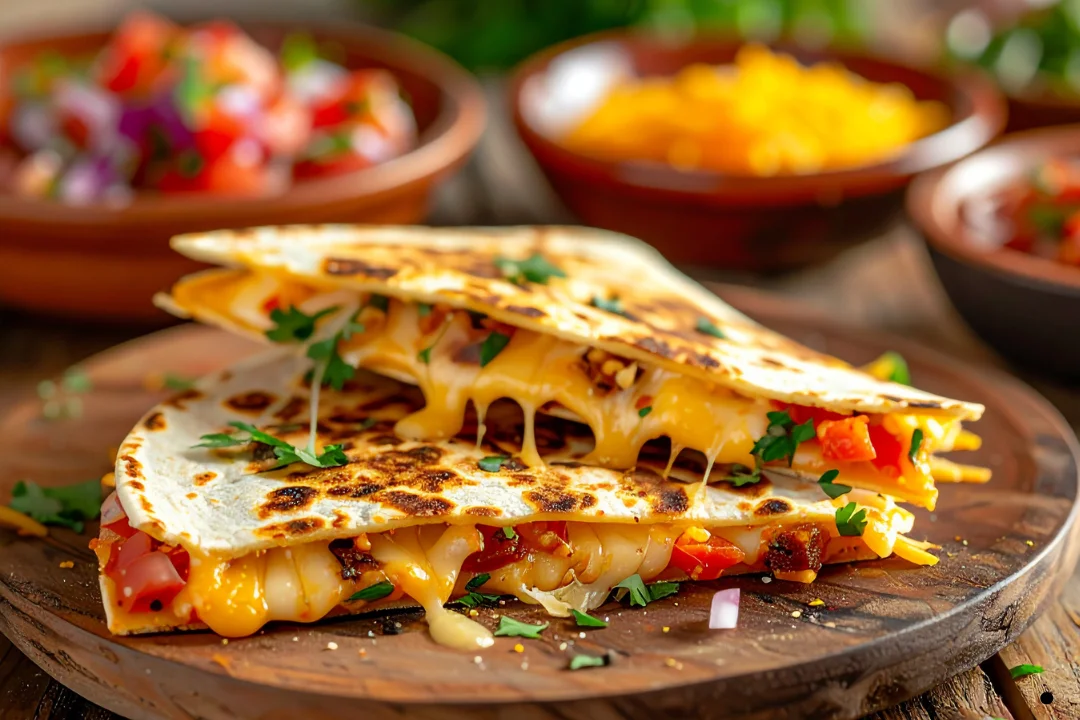
- Quesadillas: Add cheese and other fillings, then fold and grill.
- Tortilla Chips: Cut tortillas into triangles and bake or fry for a crunchy snack.
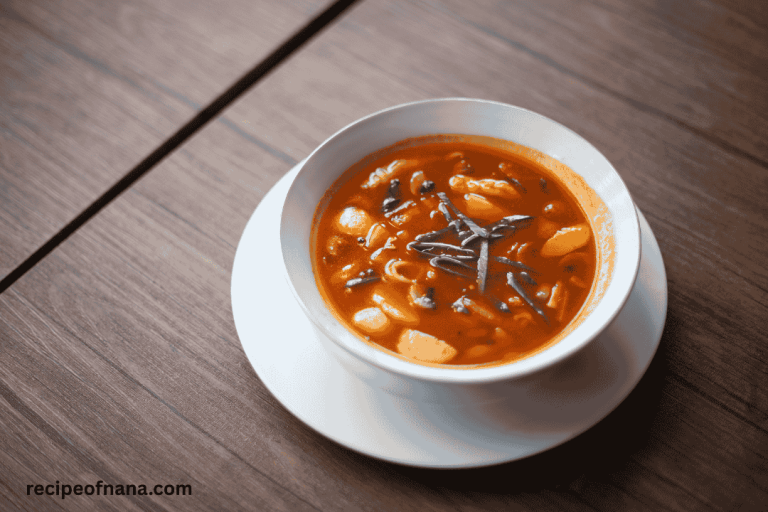
- Soup garnish: Cut into strips and add to tortilla soup.
Homemade tortillas are versatile and can be adapted to any meal or flavor.
Nutrition Table
Here is an approximate nutritional breakdown for one medium tortilla (about 50g):
| Type | Calories | Carbs (g) | Protein (g) | Fat (g) | Fiber (g) | Sodium (mg) |
|---|---|---|---|---|---|---|
| Corn Tortilla | 52 | 11 | 1.5 | 0.7 | 2 | 5 |
| Flour Tortilla | 90 | 15 | 2 | 2.5 | 1 | 150 |
| Whole Wheat | 100 | 18 | 3 | 2 | 3 | 120 |
This table helps you choose the right tortilla based on your dietary needs. Corn tortillas are lower in calories and gluten-free, while flour tortillas are soft and flexible but slightly higher in calories.
Tips and Troubleshooting
- Dough consistency: If the dough is too sticky, add a little more flour or masa harina. If it’s too dry, add small amounts of water.
- Rolling: Ensure tortillas are evenly rolled to avoid uneven cooking.
- Cooking: Do not overcrowd the skillet; cook one tortilla at a time for best results.
- Puffing: A good tortilla will puff slightly when cooked, indicating proper heat and moisture balance.
- Storage: Stack tortillas with a cloth to retain moisture and softness.
Cultural Significance
Tortillas have been a fundamental part of Mesoamerican diets for thousands of years. They are not just food but also a symbol of community and tradition. Corn tortillas, especially, have been used in ceremonies and daily meals, and modern variations continue to honor this legacy while adapting to global tastes. Making tortillas at home allows you to connect with this rich culinary history while enjoying fresh, homemade bread.
Conclusion
Making tortillas at home is easier than most people think. With simple ingredients and a few steps, you can create soft, flavorful tortillas that enhance any dish. They are versatile, nutritious, and perfect for family meals. Whether you are making tacos, burritos, quesadillas, or just enjoying them warm with butter, homemade tortillas are always a hit. Try this recipe today and experience the authentic taste and texture that only homemade tortillas can offer.